


About Almaqsourah - مقصورة الراجحى
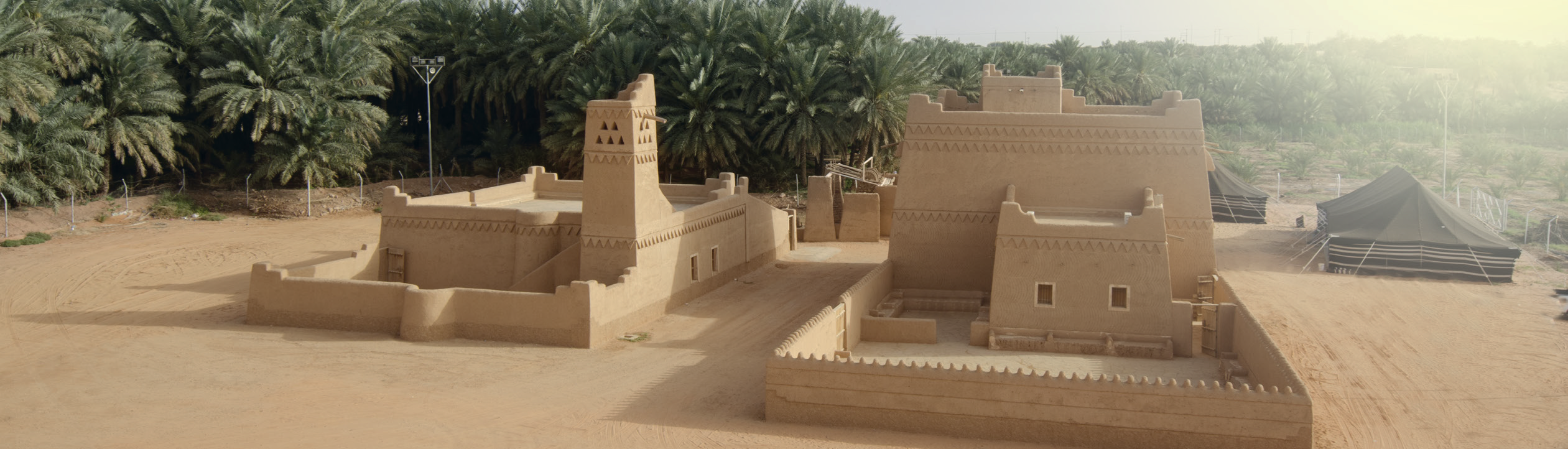
Cities are distinguished by the religious, national or historical symbols they represent in the life of nations and people, through what they embrace of heritage landmarks, which radiate into the general public’s emotions.
Places and sites take their true sentimental value from the facts of the events present in the nation’s daily life and derived from the depth of their history.
The history itself is either portrayed by the biography of men who strived and struggled and contributed to shaping the life of that city, or is represented in the form of a physical landmark that remains, over the generations, a witness to history.
This is the case of “Almaqsourah” in Al-Bukayriyah Governorate in Al-Qassim
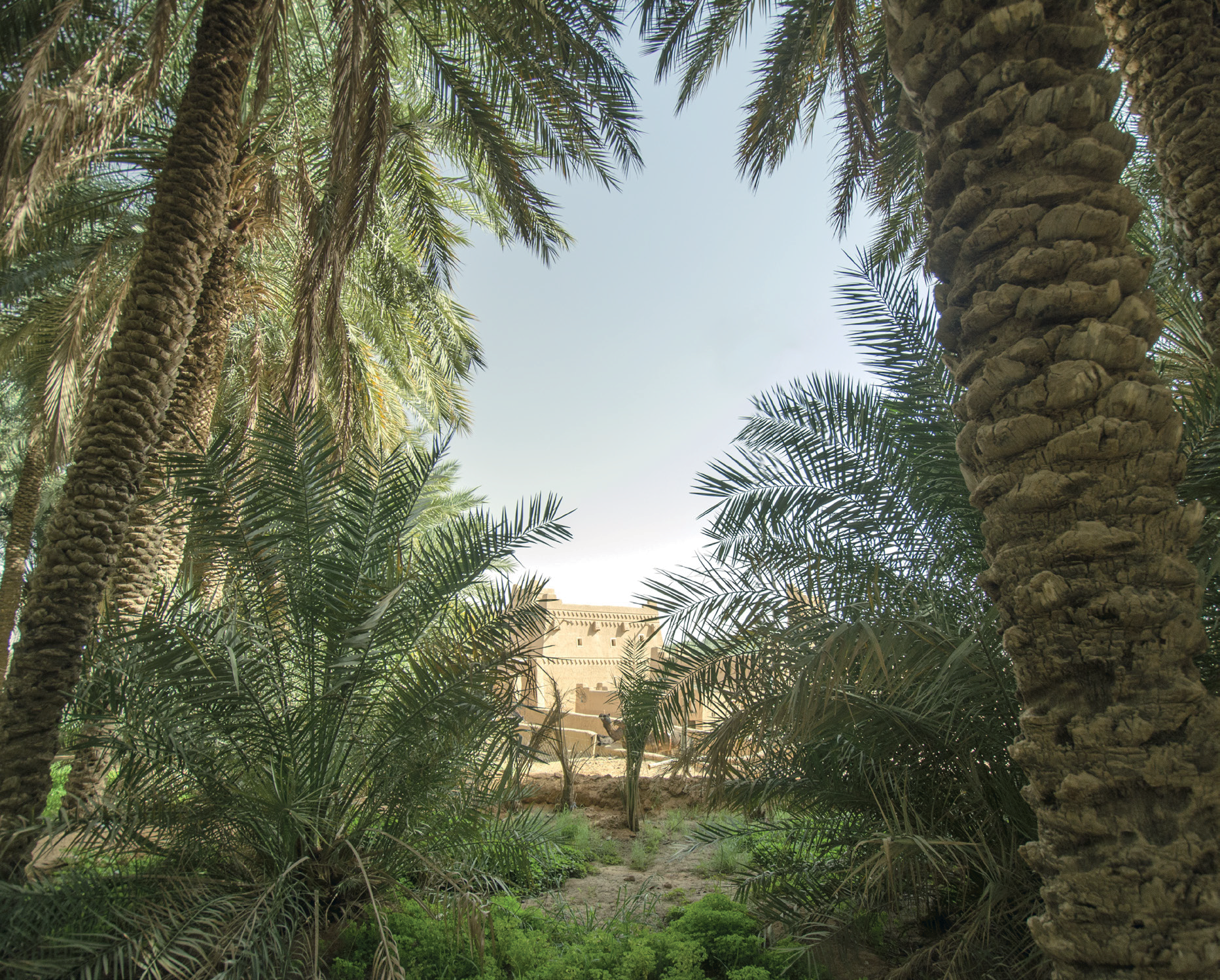
Nasser Al Rajhi? “The Man with Whom the Story Begins”
One of the first to come to Al-Bukayriyah was a member of the Bani Zaid tribe, whose lineage belongs to Al-Rajhi family, and that is the grandfather, Nasir bin Rajeh bin Hamad bin Muhammad bin Hammad bin Harqous, may he rest in peace.
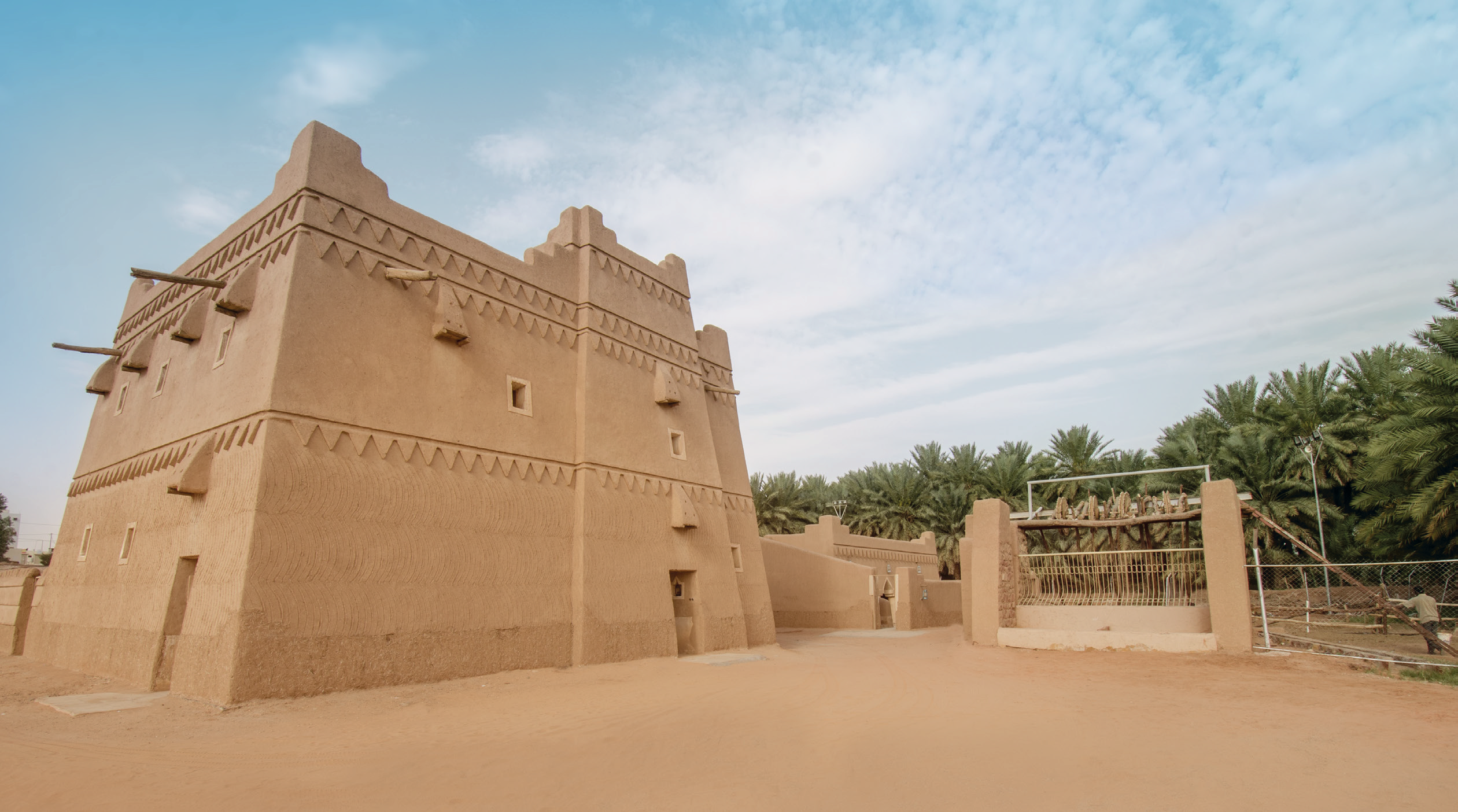
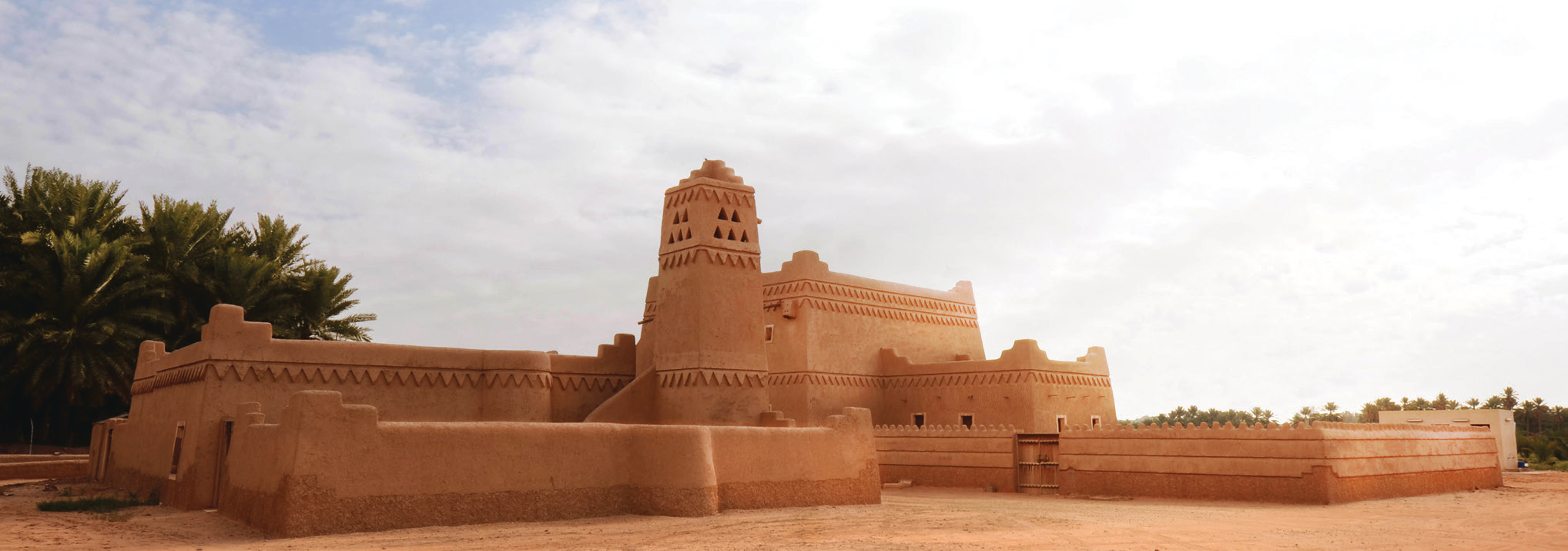
After grandfather Nasser Al-Rajhi may he rest in peace-settled in Al-Bukayriyah, after passing through many stations in his life, “Almaqsourah” was the remaining tangible mark that embodied his journey.
Therefore, it was a duty to preserve it and take care of it, so that it remains a prominent landmark in the heart of Al-Bukayriyah, telling the younger generations the chapters of an endless story of struggle and patience endured by Grandfather Nasser- may he rest in peace- and acting as a living witness to a history full of social, cultural, economic and urban changes that occurred in the city of Al-Bukayriyah – preceding the blessed renaissance that prevailed all over the Kingdom and made this city one of the major developed metropolises in today’s world.
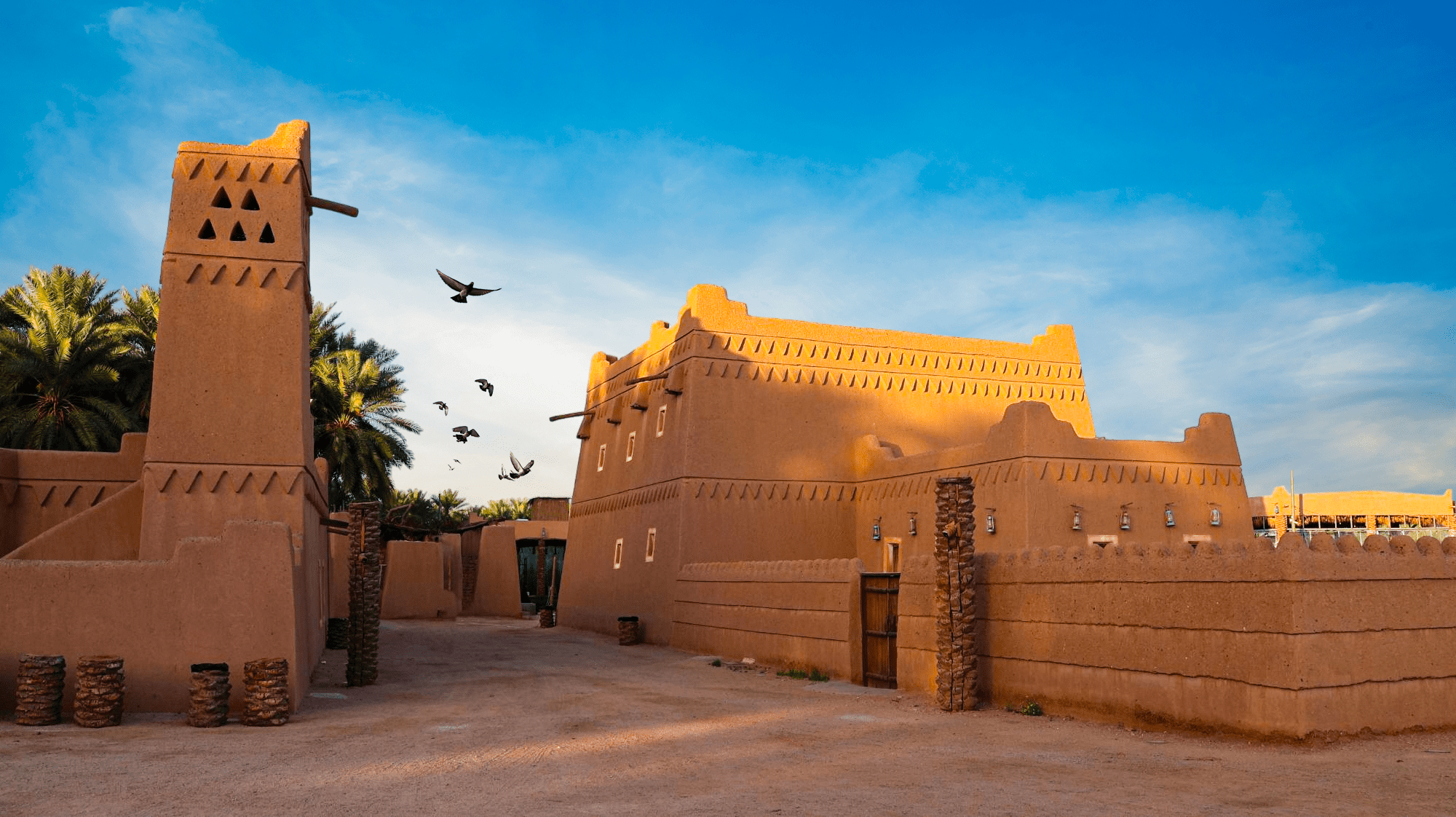
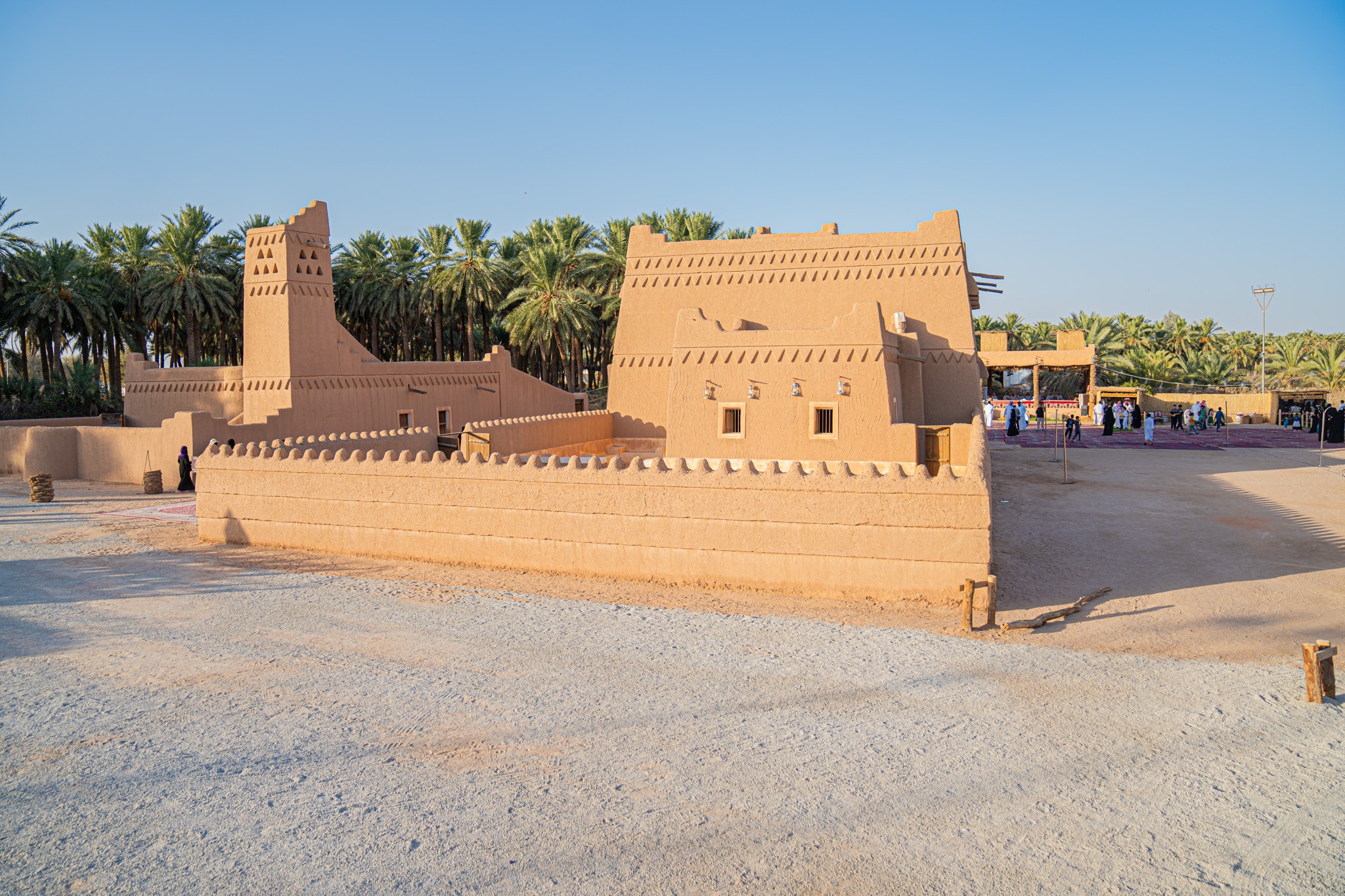
In addition to that, “Almaqsourah” represents a vivid embodiment of the distinctive, authentic heritage architecture of the Qassim region where all the available characteristics were present in the prevailing architectural style in Najd, and in the art of using spatial space and building methods. In fact, every piece or element in Almaqsourah can be considered an architectural heritage and an example of local architecture.
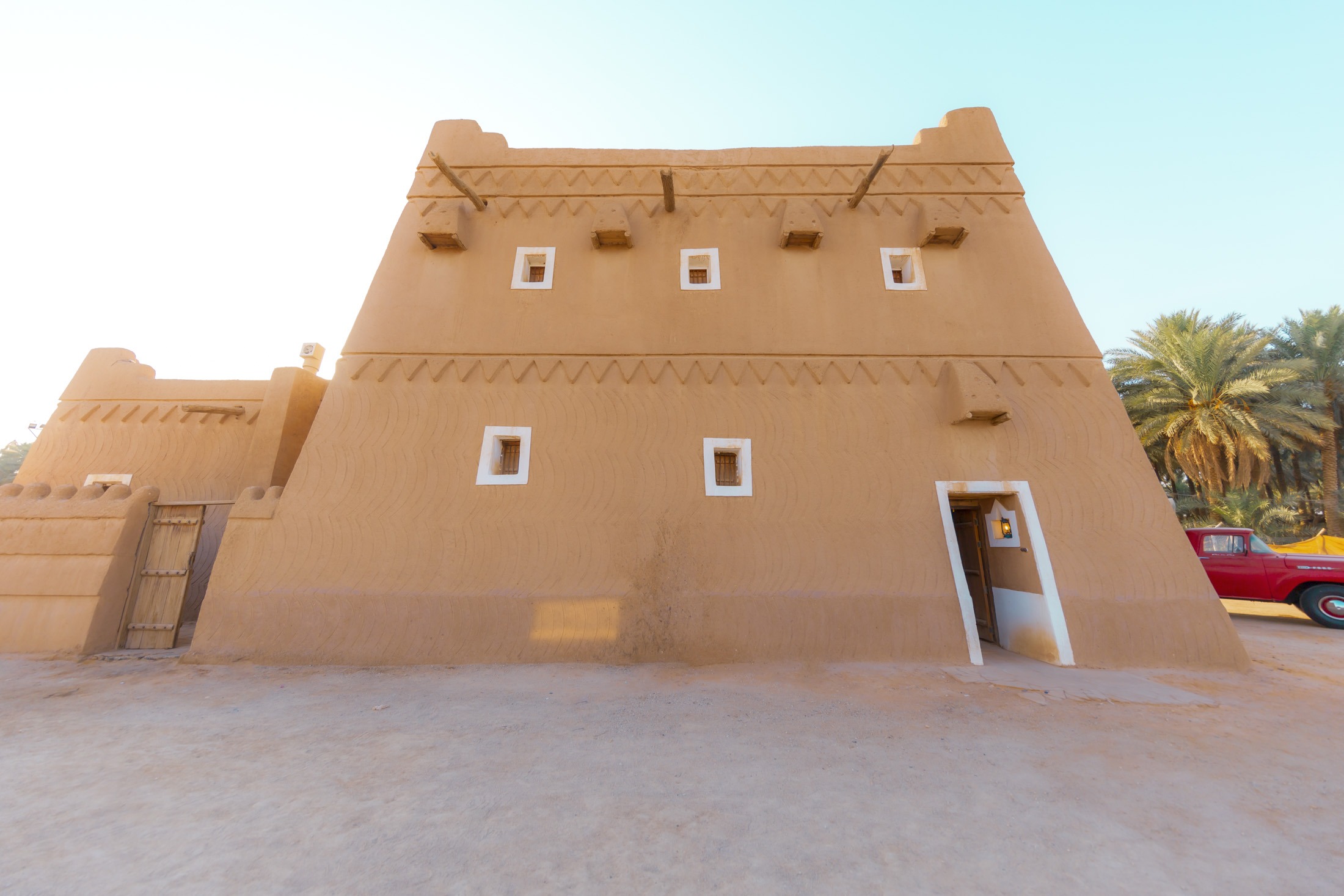
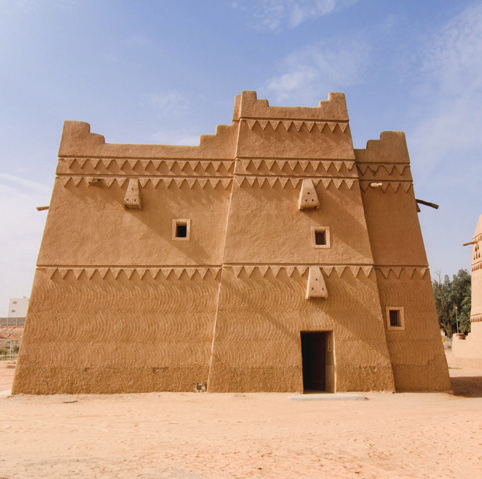
Together, these pieces and elements express the beauty of architecture, as it originates from its pure environment in harmony with the surrounding elements, achieving maximum suitability and compatibility with the requirements of the residents of the region.
“Almaqsourah” has gone through many stages that influenced it, since its inception until today in which it is being developed and revived to take its appropriate shape and size based on the heritage and historical composition of Al-Bukayriyah.
This record is nothing but a documentation of the history of “Almaqsourah” and of the events and changes that occurred in it, to be accessible to researchers and scholars, as a history source for a prominent landmark in Al-Qassim and its ancient heritage architecture
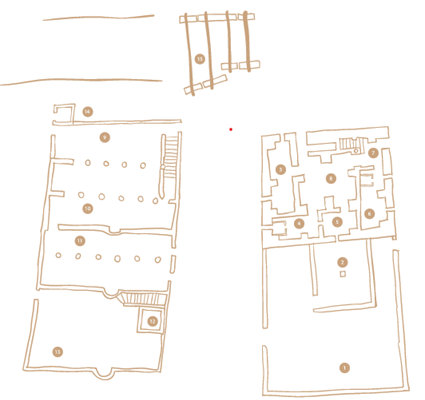
Almaqsourah Sections:
Qahwa Majlis.
Living Room.
Dates Storage Room.
Pantry Storage Room.
The eastern entrance, and the stairs to the second floor.
Dispenser between rooms.
Roofed courtyard of the Mosque
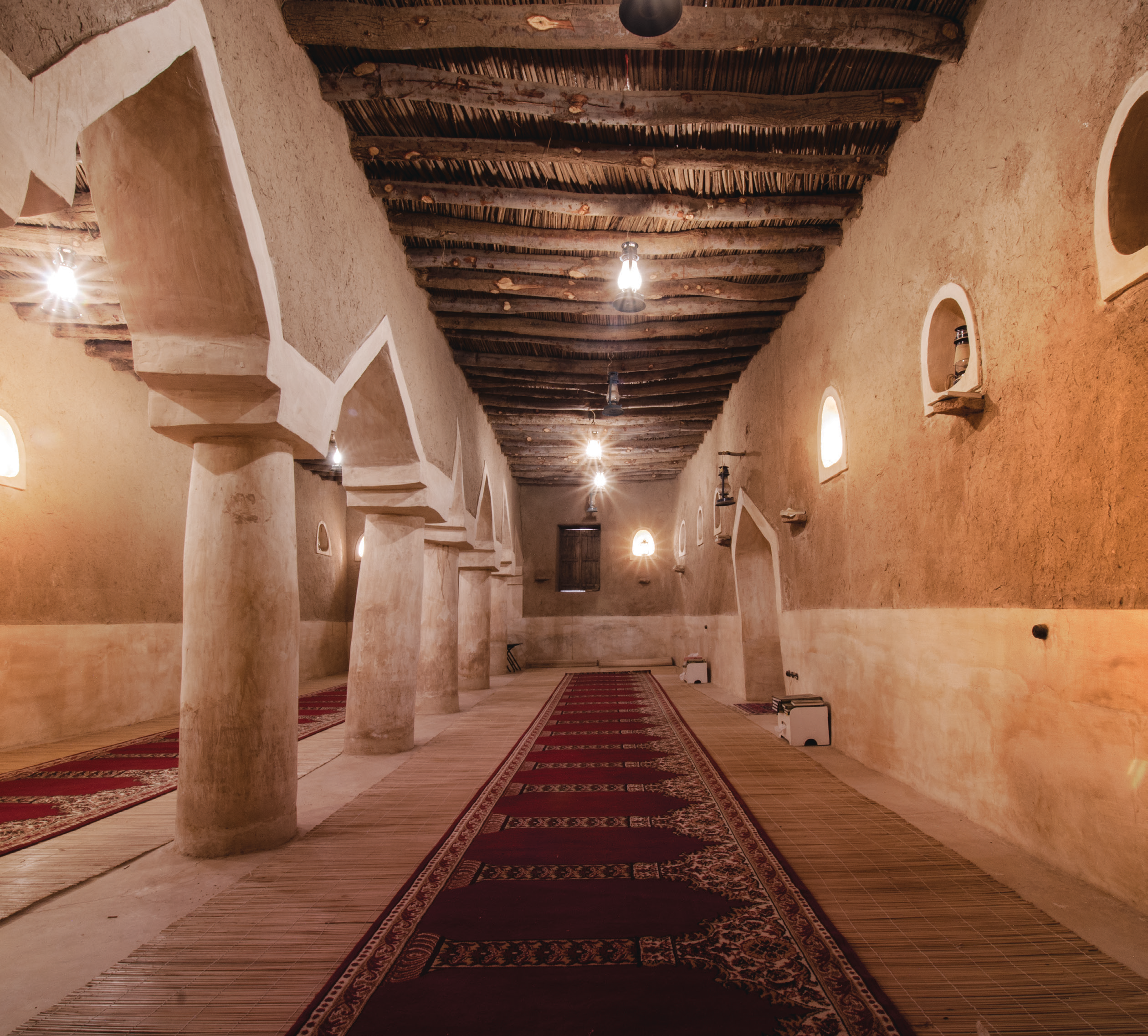
The Mosque interior
The minaret
The open southern courtyard of the Mosque
Ablution area
The Well
Qahwa Majlis
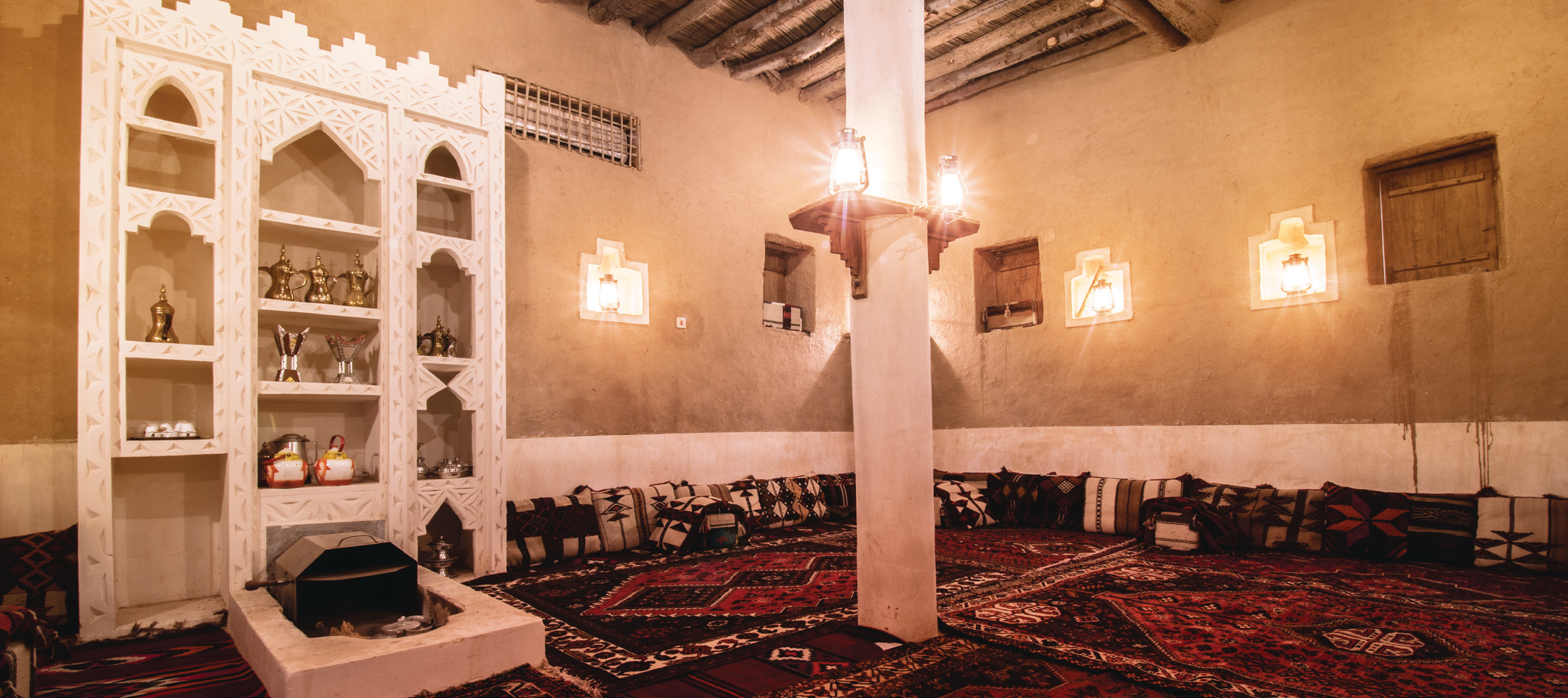
It is the family corner, and the place designated to host the guests who were treated like family with an inherent warmth and hospitability by Al Rajhi’s.
The Qahwa Majlis contains archaeological signs, such as the wills that were written by early parents. Nasser Al-Rajhi discussed many topics at the Majlis, in the presence of his sons and his companions from Al-Bukayriyah, and shared valuable advice for everyone.
Qahwa Majlis
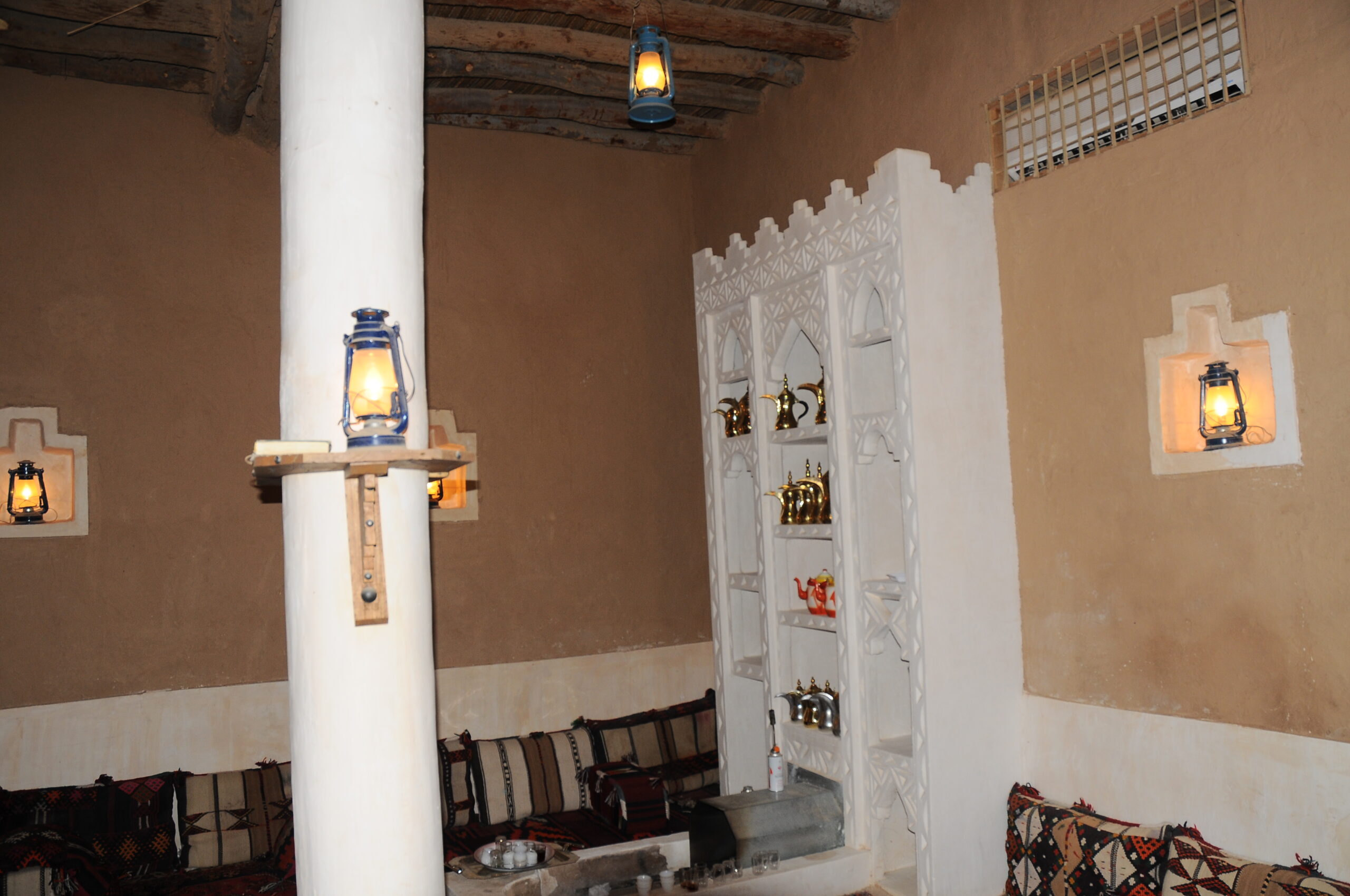
The Qahwa Majlis was constructed following the completion of Almaqsourah architecture. In the coffee chamber, the carvings are clearly visible on the walls.
It contains attractive elements such as the hand-woven sofas, coffee pots and antique lanterns. Despite the simplicity of the construction and the architecture used in the ancient Majlis, it reflects the hospitality to the guests, and gives the visitor a sense of the spirit of generosity.
In addition to the decorated carvings, lanterns, and couches, good qualities and fine manners were and still are the welcome features on the face of the host and his children
Qahwa Majlis Consists of
- Aluggar: Is the stove on fire used to prepare coffee and tea, in which men usually take charge of making coffee for the guests.
- Alkmaar: A place dedicated to coffee pots, jugs and dates, and contains shelves and small cabinets for cardamom and whatever needed to make coffee
- Al-Samawah: It is an opening in the roof, named as Samawah which is derived from the Arabic word “Samaa”, meaning sky- because the sky is visible from it. It has several functions, includ ing ventilation and lighting
The Well
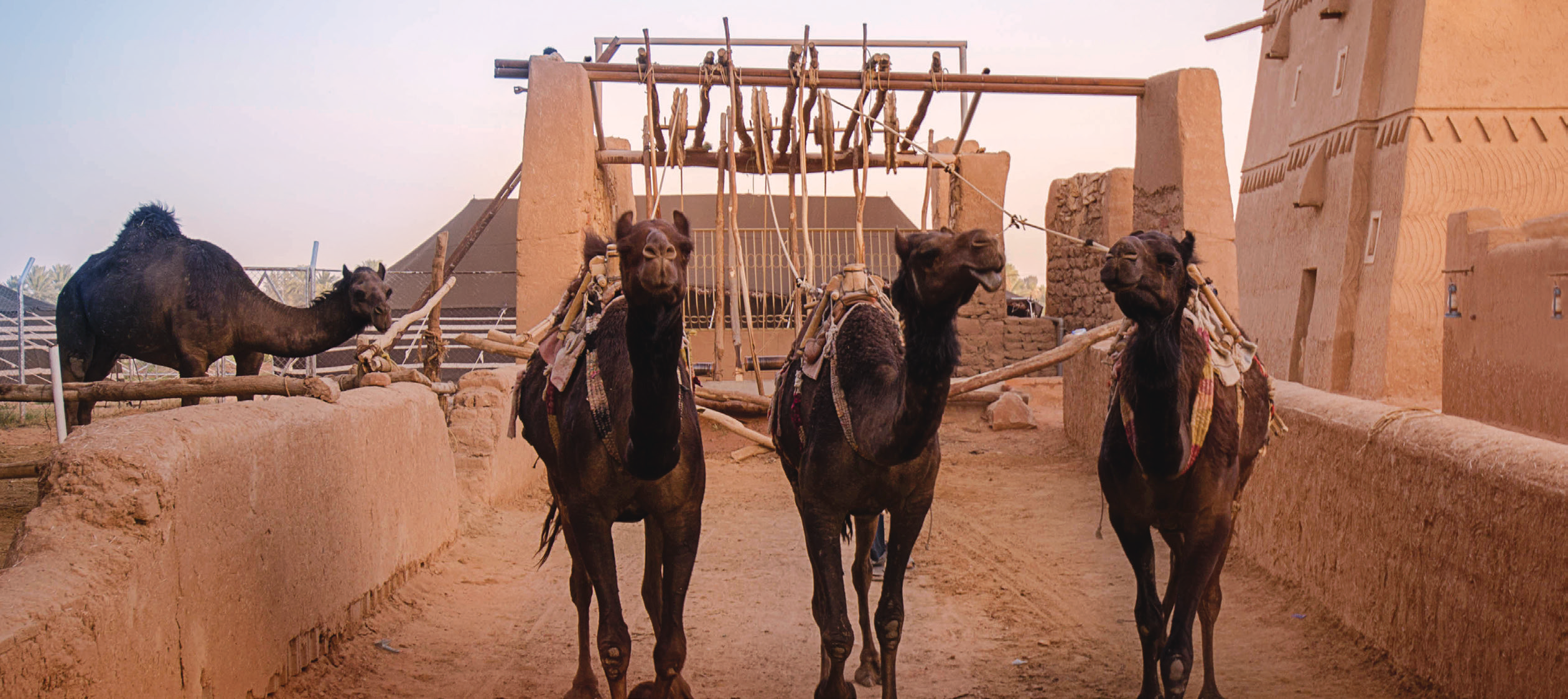
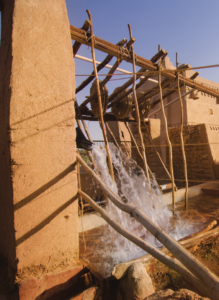
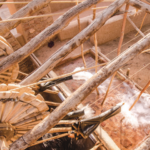
Digging the well was the first attempt of Nasir Al-Rajhi, may he rest in peace, to reach the water. The walls of the well were paved, the waterwheels were erected, and the buckets were made to bring water from the depth of the well. There were no wells in Al-Bukayriyah with more buckets than the well of Al-Rawajeh, which contained 11 buckets. It was the biggest well there back then.
The Well
Almaqsourah was built approximately after 1190 AH and after Grandfather Nasser moved from Hilaliyyah
Later then, and at various intervals, it was followed by the construction of the rest of the facilities, which are the mosque, the well and the Qahwa Majlis
The Mosque
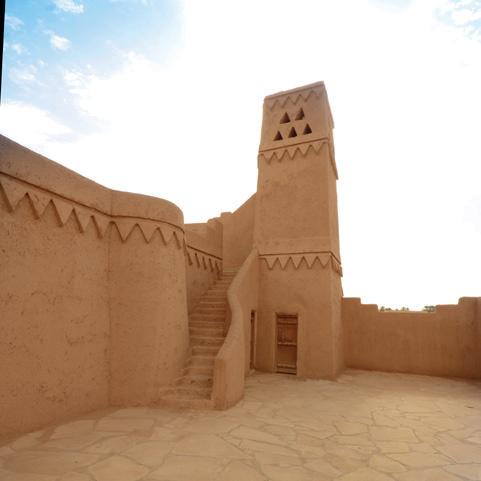
The first thing that attracts the eye from afar is the majestic minaret of Al-Rajhi Mosque, built with its Najdi style and inscriptions. Inside the mosque, where the main hall is located, the prayer is performed in moderate climates. The triangular holes in the walls are for ventilation and cooling in hot days.
The Mosque
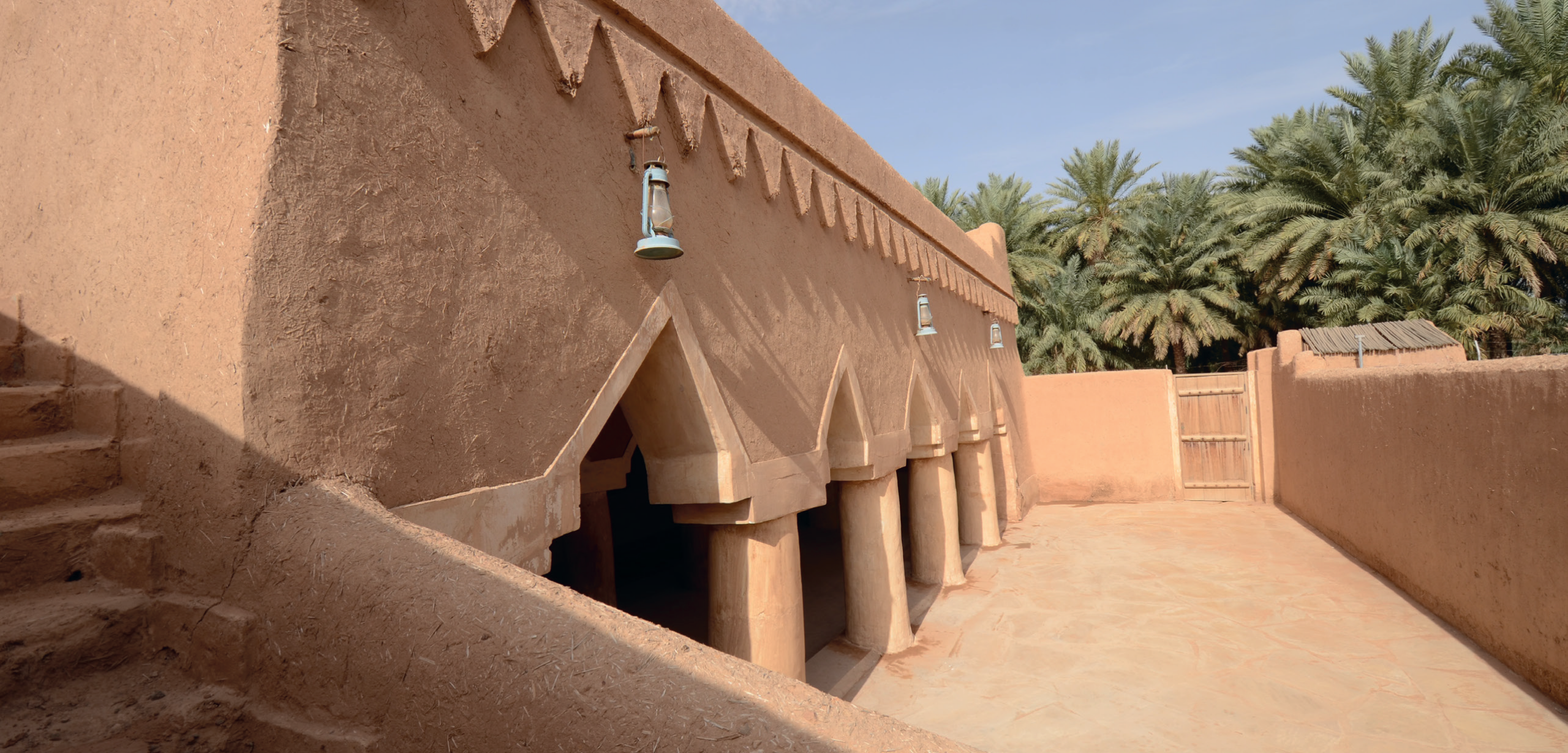
The mosque contains two parts, a winter section, in which prayer is held when the cold and rain are very intense, and an open section containing a roof and open walls only to allow the fresh air to enter in summer time.
The Brand Mark (The Traditional Symbol Used to Mark Al Rajhi’s Camels)
Until relatively recently, Al Rajhi’s camels were identified by their distinctive brand mark (wasm), a traditional emblem inspired by the brand of the Banu Zaid tribe. During trading journeys and travel between the towns of Najd, this mark was widely recognized. Thanks to the Al Rajhi family’s esteemed reputation and respected standing among the tribes, their camels—and the people and goods traveling with them—were afforded protection and respect wherever they went.
Today, the wasm has taken on a broader significance. It has become an integral part of the family’s official emblem and a defining element of the Al Rajhi family’s cultural and heritage identity. Its design incorporates the symbolic image of Al Maqsurah, reflecting its authentic Najdi architectural character, its rich history, and its enduring legacy.

Al Bukayriyah Celebrates Al Rajhi Al Maqsurah… It’s Time to Visit
Al Rajhi Al Maqsurah is one of Al Bukayriyah’s most prominent heritage landmarks. The people of Al Bukayriyah take great pride in preserving and caring for the region’s historical sites, and Al Rajhi Al Maqsurah is no exception. Visitors to these treasured landmarks will be welcomed with genuine Saudi hospitality and invited to enjoy an unforgettable journey through the rich heritage and history of the region.
Now is the perfect time to visit Al Rajhi Al Maqsurah. We invite you to submit your visit request through the Home page and begin your heritage experience.
We look forward to welcoming you and hope to see you soon.
A Legacy Across Generations
Almaqsourah at a Glance
Almaqsourah: A Complete Fortress Embracing History
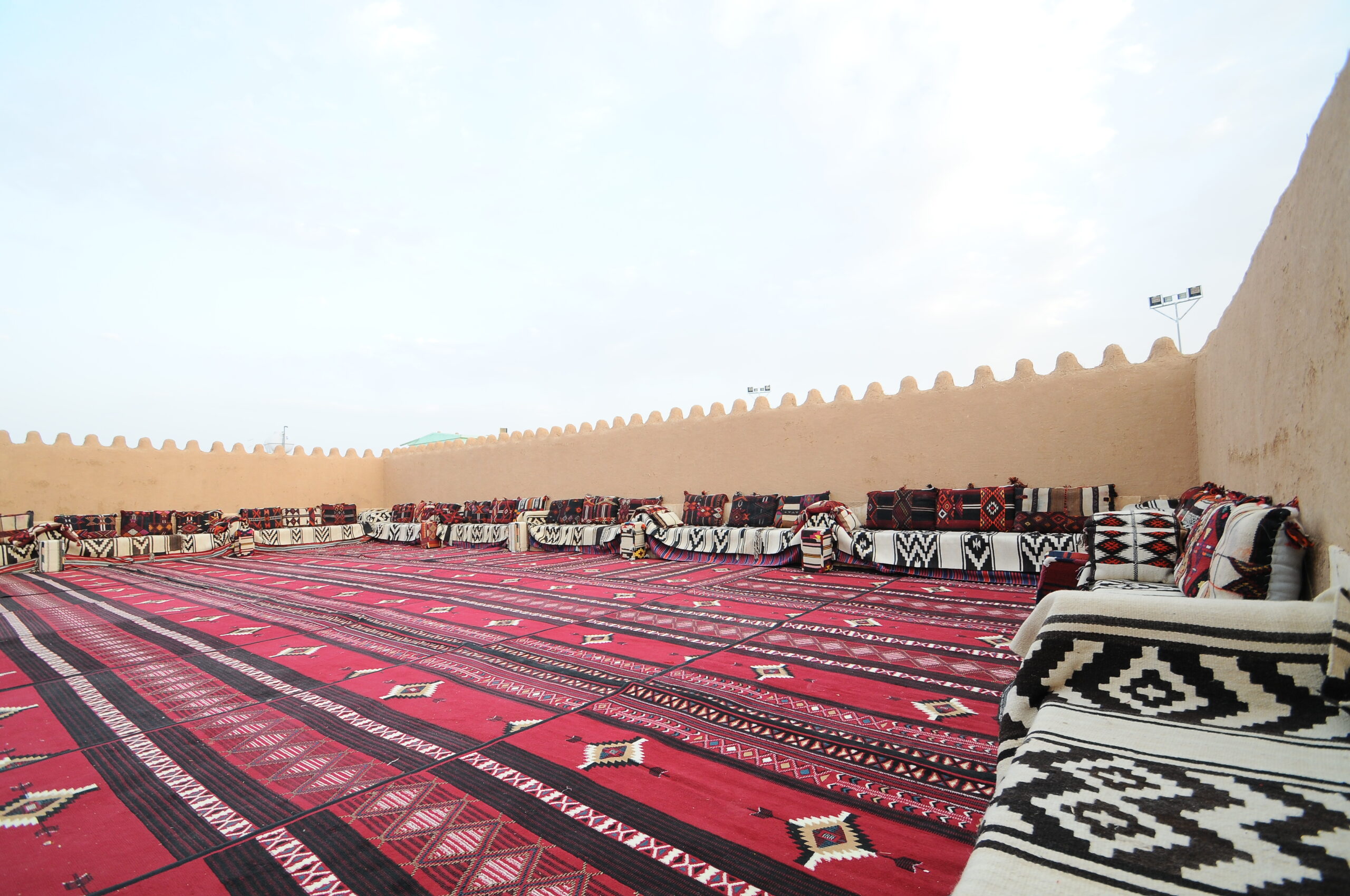
Maqsourat Al Rajhi stands as a symbol of authentic Najdi architecture, where every detail reflects the ingenuity of traditional design and the craftsmanship of heritage construction. Built with imposing towers and sturdy walls, the Maqsurah served as a secure refuge and a self-contained fortress, thoughtfully designed to meet the needs of daily life.